

Malden Pruning Services
Choose our professional pruning services to enhance your landscape’s beauty, promote healthy growth, and ensure the safety of your property—all delivered with local expertise and attention to detail.
Get a Free QuoteWhen to Schedule Pruning in Malden, Massachusetts – Seasonal Guide
In Malden, Massachusetts, the best times to schedule pruning are late winter through early spring, just before new growth begins. This timing allows trees and shrubs to recover quickly and minimizes the risk of disease or pest infestation. Malden’s climate, with its cold winters and humid summers, means that pruning during dormancy—typically February to early April—yields the healthiest results for most species.
Local factors such as the proximity to the Fellsway, the shade provided by mature trees in neighborhoods like Maplewood, and the unique soil conditions near the Malden River all play a role in determining the ideal pruning schedule. Homeowners should also consider the city’s average last frost date, which usually falls in mid-April, and be mindful of drought risk during late summer. For more information on local environmental guidelines, visit the City of Sudbury’s resource page.
Local Factors to Consider for Pruning in Malden
- Tree and shrub density in your yard
- Terrain and slope, especially near the Oak Grove and Edgeworth areas
- Annual precipitation and humidity levels
- Shade coverage from mature maples and oaks
- Soil type, particularly in river-adjacent properties
- Municipal restrictions or seasonal guidelines
Benefits of Pruning in Malden
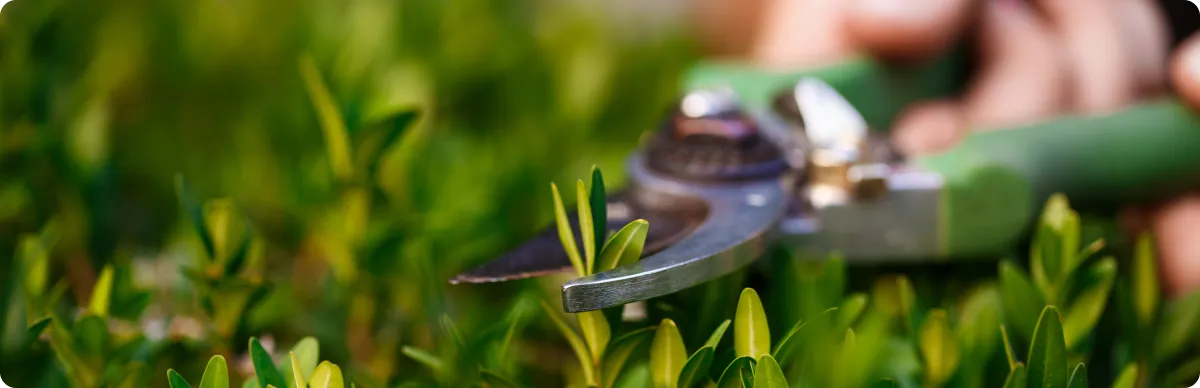
Enhanced Curb Appeal
Healthier Plants and Trees
Improved Sunlight Penetration
Reduced Risk of Disease
Professional Landscaping Expertise
Increased Property Value
Malden Pruning Types

Crown Thinning
-
Crown Raising
-
Crown Reduction
-
Deadwooding
-
Formative Pruning
-
Pollarding
-
Vista Pruning
Our Pruning Process
Site Evaluation
Plant Selection
Targeted Pruning
Debris Removal
Final Inspection
Why Choose Malden Landscape Services
-
Malden Homeowners Trust Us
-
Expert Lawn Maintenance
-
Reliable Seasonal Cleanups
-
Competitive Pricing
-
Professional Team
-
Satisfaction Guarantee
-
Personalized Service
Contact Malden's Department of Public Works for Public Tree Permits & Pruning Debris Disposal
Pruning or removing any tree within Malden’s public ways requires advance approval from the Malden Public Works Department. Notice must be provided 7-14 days before work begins, and significant projects may require a public hearing. Emergency authorizations are available for hazardous situations. Permit thresholds typically apply to trees 6-8 inches DBH on private property and all public trees, with special protections for heritage trees and those in Historic Districts. Parkway and right-of-way trees are regulated, and replacement planting may be required. For debris, yard waste is collected April–November in biodegradable paper bags only—plastic is prohibited per MassDEP. Brush bundles must not exceed 4-foot lengths. Larger debris can be disposed of at the Transfer Station with proper permits and fees. For more information or to apply for permits, contact:
Malden Public Works Department
356 Commercial Street, Malden, MA 02148
Phone: (781) 397-7160
Website: Malden Public Works Department
Understanding ANSI A300 Pruning Standards & Tree Health Assessment Requirements in Malden
All structural tree work in Malden must be performed by an ISA Certified Arborist and comply with ANSI A300 standards. This includes using the three-cut method for branches over 2 inches in diameter and prohibiting topping, flush cuts, lion’s tailing, and over-thinning. Tree health assessments must evaluate structural integrity, identify hazards such as dead branches or decay, and screen for pests and diseases. Species-specific timing is critical: oaks are pruned only during the dormant season (November–March) to prevent oak wilt, while maples and elms also require dormant season work. Flowering trees like magnolia and crabapple are pruned post-bloom, and evergreens are best pruned in late winter or early spring. Certification and ongoing education are required for arborists, and specialized credentials may be necessary for risk assessment or municipal work. For disease identification, consult UMass Extension.
Massachusetts Conservation Commission Requirements for Pruning Near Waterways & Protected Areas
Tree work near wetlands, streams, vernal pools, or other protected areas in Malden is regulated under the Wetlands Protection Act (M.G.L. c. 131, § 40). Permits such as a Notice of Intent (NOI) or Request for Determination of Applicability (RDA) are required for any activity within buffer zones (25-100 feet). Environmental assessments must address soil stability, water quality, and root zone protection, with erosion controls in place for slopes. Debris must be staged to prevent runoff, and heavy equipment use is restricted to avoid compaction. Seasonal restrictions protect nesting wildlife (March–August), and cavity trees are evaluated for bat and bird habitat. For rare species or habitat concerns, coordinate with Mass Division of Fisheries & Wildlife. For permitting guidance, contact:
Malden Conservation Commission
215 Pleasant Street, Malden, MA 02148
Phone: (781) 397-7040
Website: Malden Conservation Commission
Municipal Tree Protection Ordinances & Professional Standards in Malden
Malden enforces tree protection ordinances that require permits for pruning or removing trees above 6-8 inches DBH on private property and all public trees. Heritage and landmark trees receive additional protections, and applications are reviewed by the appropriate municipal departments, often with input from the Malden Planning Board and Inspectional Services. Utility coordination is required for line clearance, and emergency protocols are in place for storm damage. Violations are subject to enforcement actions, with correction timelines and appeal processes available. Commercial contractors must carry a minimum of 1M in general liability insurance, workers compensation, and professional liability coverage. For ordinance details or to report violations, contact:
Malden Inspectional Services
110 Pleasant Street, Malden, MA 02148
Phone: (781) 397-7000
Website: Malden Inspectional Services
Seasonal Pruning Calendar, Wildlife Protection & Species-Specific Timing for Malden's Climate Zone 6b
Malden’s climate falls within USDA Zone 6b, requiring careful timing for tree pruning. The optimal dormant season is late winter to early spring (February–March) for most species. Spring-blooming trees are pruned after flowering (May–June), while summer pruning is limited to emergency hazard removal. Oaks must only be pruned November–March to prevent oak wilt, and elms require dormant season work to avoid Dutch elm disease. Tool sanitation is essential—use 70% isopropyl alcohol or 10% bleach solution between trees. Wildlife protection mandates nesting bird surveys from March–August, with work rescheduled if active nests or bat colonies are found. Weather conditions, such as extreme heat (>90°F) or drought, should be avoided to minimize stress and soil compaction.
Safety Regulations, Insurance Requirements & Utility Coordination for Pruning Operations in Malden
All pruning operations in Malden must comply with ANSI Z133.1 Safety Standards, including the use of PPE (hard hats, eye/face protection, chainsaw chaps, and fall protection for work above 6 feet). Equipment must be inspected daily, and aerial lift operators must meet OSHA requirements. Electrical safety is paramount—maintain a minimum 10 feet clearance from power lines, and only qualified line clearance arborists may work near utilities. Contractors must carry at least 1M in general liability insurance (2M aggregate recommended), workers compensation, and professional liability coverage. Utility coordination is required before work begins. For safety and insurance questions, contact:
Malden Public Works Department
356 Commercial Street, Malden, MA 02148
Phone: (781) 397-7160
Website: Malden Public Works Department
Integrated Pest Management & Disease Prevention Through Proper Pruning in Malden
Integrated Pest Management (IPM) in Malden emphasizes the removal of diseased wood, selective thinning to improve air circulation, and sanitation to reduce pest habitat. Structural pruning reduces storm damage and entry points for pathogens. Tools must be disinfected between trees using 70% isopropyl alcohol or 10% bleach solution (1:9), especially in areas with oak wilt or Dutch elm disease. Post-pruning inspections are recommended at 30 days and seasonally to monitor for secondary issues. Municipal programs coordinate with UMass Extension for disease identification and reporting, and residents are encouraged to participate in early detection networks for pests like emerald ash borer and Asian longhorned beetle.
Post-Pruning Debris Management & Massachusetts Organic Waste Requirements
Massachusetts prohibits wood waste in household trash, requiring participation in municipal yard waste programs from April–November. Only biodegradable paper bags are accepted—plastic is not permitted per MassDEP. Brush must be bundled in 4-foot lengths. On-site chipping is encouraged for mulch, and valuable wood may be sent to sawmills or biomass facilities. Diseased material (oak wilt, Dutch elm disease) must be removed immediately and may require landfill disposal or quarantine per MA Dept of Agricultural Resources. Prompt cleanup protects storm drains and public safety. For debris guidelines, contact:
Malden Public Works Department
356 Commercial Street, Malden, MA 02148
Phone: (781) 397-7160
Website: Malden Public Works Department
Protecting Malden's Urban Forest Through Sustainable Pruning & Community Stewardship
Sustainable pruning in Malden supports tree longevity, reduces disease transmission, and enhances storm resilience. The city aims for 30-40% canopy coverage, increased species diversity, and climate adaptation through proper management. Community involvement is encouraged via volunteer workshops, citizen science tree inventories, and Arbor Day events. Long-term planning includes succession strategies for aging trees and integration with climate action and green infrastructure initiatives. Residents can participate in stewardship programs and report concerns to:
Malden Tree Management and Information
356 Commercial Street, Malden, MA 02148
Phone: (781) 397-7160
Website: Malden Tree Management and Information
What Neighborhoods Do We Serve Throughout Malden, MA?
Malden’s neighborhoods each present unique tree populations and regulatory considerations:
- Edgeworth: Mature oaks and maples, some heritage trees, overhead utility conflicts, and proximity to wetlands.
- Maplewood: Diverse species, active community stewardship, and several Conservation Commission buffer zones.
- Ferryway: Mix of young and mature trees, storm damage history, and Historic District review for some properties.
- Forestdale: Large canopy coverage, rare species habitat, and MS4 stormwater management areas.
- West End: High property values, HOA regulations, and complex permit procedures.
- Bellrock: Urban infrastructure, sidewalk tree coordination, and traffic control needs.
- Linden: Newer plantings, rain gardens, and active community engagement. Each area requires coordination with city departments and awareness of local environmental sensitivities.
Malden Municipal Ordinances for Pruning Equipment Operation & Commercial Service Standards
Malden regulates equipment operation hours: 7:00 AM–8:00 PM weekdays, 9:00 AM–6:00 PM weekends, with Sunday work often restricted before 9:00 AM or prohibited—verify local bylaws. Noise and decibel limits apply, and special event schedules may affect work hours. Commercial contractors must register with the City Clerk, obtain a business license, and register as a Home Improvement Contractor for contracts over $1,000 (per MA law). Insurance requirements include 1M minimum general liability, workers compensation, and professional liability. Work zones must comply with ANSI Z133 safety protocols, including traffic control and public notification. Environmental compliance requires proper debris containment, vehicle maintenance, and documentation of waste disposal per MassDEP. For ordinance details, contact:
Malden Inspectional Services
110 Pleasant Street, Malden, MA 02148
Phone: (781) 397-7000
Website: Malden Inspectional Services